
This post is a crossover with my other blogs, which you can find here at my teacher blog, The Bookish Classroom, and here at my writer blog on Substack. You can also check out my online store, The Bookish Classroom, here.
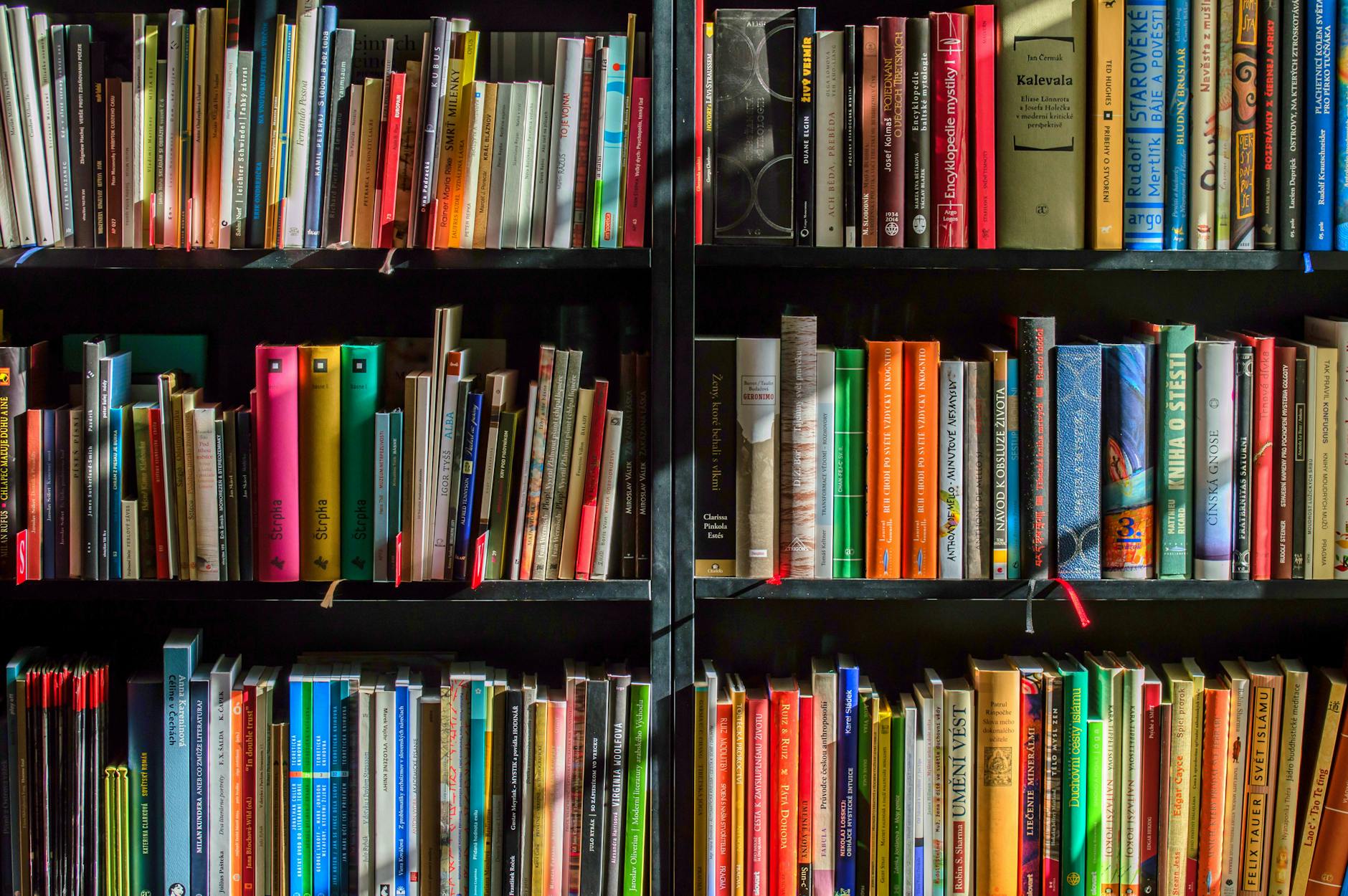
My teaching philosophy has always been, the more you read, the better a writer you’ll be.
However, when I was teaching, I didn’t always practice what I preached.
Sure, I had my students reading novels and poems and essays, dissecting for author’s purpose and analyzing literary devices and mining for favorite scenes. But in my personal life, there was no time for reading anything outside of what I was teaching. At least, that’s how it felt.
I was tired. I didn’t have enough bandwidth to pick up a novel when all I wanted to do was sleep. And as a lifelong reader, this broke my heart a bit. I relished breaks and summers to dip into the books on my ever-growing TBR. I hate to admit that there were a few books I bought in 2004 that I didn’t read until 2024.
The first summer after teaching, my anxiety skyrocketed. And the major balm to my nerves was reading. I read voraciously. Myth retellings, thrillers, romances, literary and historical fiction. By the time I hit December, I had read 70+ books in the span of six months.
Reading habits aside, it wasn’t until I left the classroom that I decided to embark on a reading challenge. Could I read 100 books in a year? And if I could, how would it change my writing, my reading habits, and my mental health?
This is what I learned, especially when I started to read like a writer.
Lesson #1: Every genre has a format.
Is this obvious? Maybe to some. It wasn’t to me though. And reading has been a favorite hobby of mine all my life. (I was an English major and an English teacher.) You’d think I would have figured it out.
But what I started to see was that:
- The turning point of every story happens about twenty pages before the end of the book.
- Thrillers and romance are the two most formulaic genres.
- If you can figure out the formula of a genre, you can plug in your own story.
Every story has acts and beats and plot points that, if an author is doing their job well, aren’t obvious to the reader who is enjoying the story. But when you start to read like a writer, you can see where those beats and acts and plot points show up. And then you can use that information to write a story of your own.
Knowing this won’t make your first draft pristine, but it will help you write your outline, so you can focus on your language, character development, and storytelling.
Lesson #2: Bad books teach just as much as good ones.
Oh my word. There are some books that just make you angry as you read them. (I’m looking at you Nothing But Blackened Teeth by Cassandra Khaw and The Writing Retreat by Julia Bartz.)
But there is something to be learned from even the worst books, such as:
- Tie up loose ends and close your plot holes
- Don’t make solutions to problems too convenient
- Flowery language is not always best
I personally cannot stand pretentious writing that feels as though the author used a thesaurus to write the book. But then when you do the mental gymnastics to try and understand what the author meant, it turns out there’s no story. Don’t tell me there’s a garden, when it’s actually concrete.
Bad books or books you don’t enjoy are a good way to find your writing voice, avoid story pitfalls, and get clear about what you DON’T want to do in your own work.
Lesson #3. Voice matters more than plot.
I love a plotless, character driven novel. A “slice of life” style novel that is more vibes than scene to scene action or plot twists.
Some examples that I’ve enjoyed are:
- Pineapple Street by Jenny Jackson
- My Husband by Maud Ventura
- My Year of Rest and Relaxation by Ottessa Moshfegh
(This is subjective, of course, so if you read these novels and thought they had a plot, then we can agree to disagree.)
The charm of a plotless novel is that there is heavy emphasis on the characters and setting. You don’t necessarily have to like the characters, but the voice of the author needs to be compelling enough in the descriptions of character and setting that it carries the story.
If an author can make me see what their describing as though I’m watching a movie, I’m in. If an author can create a character, good or bad, that I want to follow around as the ambassador to the world they’ve created, I’m in.
Riley Sager and Freida McFadden style twists are fun. But there’s something to be said for the quiet books that are high on atmosphere and low on adrenaline.
Lesson #4: Your writing will improve without you trying.
Okay, maybe there was a bit of effort in there. However…
The more I read, the better my writing got. Period.
Was I writing more often? Yes. BUT my writing also improved because I understood storytelling, character creation, and voice better.
I paid attention to which author’s writing styles resonated with me, which characters were compelling and what made them compelling, and why a story worked. And then I applied those lessons to my own writing, if not in the first draft, then in my edits.
Some examples of books that made me wish I wrote them:
- The Wedding People by Alison Espach
- Cackle by Rachel Harrison
- Yellowface by R.F. Kuang
I loved how each of these stories folded humor and moral grayness into the narration that was both compelling and rich. I believed these characters existed because their voices were so real and true to who the author created them to be.
Characters and their stories become real because of the language, the verbs, the descriptions, and the little quirks the author uses to make the character human.
Again, is this obvious? Probably. However, it has made me very careful about every word that goes into one of my stories.
Lesson #5. Inspiration is everywhere.
Stories are inspiring. Life is inspiring. And listening to other people’s process is inspiring.
I wrote a story for NYC Midnight’s Flash fiction competition that was inspired by The Handmaid’s Tale meets Anthem by Ayn Rand meets The Twilight Zone.
I say all this to say, you need to read stories in order to be inspired by them. All it takes is one small line to spark an idea.
And if you’re looking for books on process to get inspired, check out:
- On Writing by Stephen King
- Bird by Bird by Anne Lamott
- Writing Down the Bones by Natalie Goldberg
If you’re just getting started and trying to find your voice, journaling is a great beginning. You can pick an essay from one of these books or an interesting line from your current read and write about all the feelings and ideas that it brings up.
You never know what you’ll find.
The Takeaway
I have read 100 books a year since I started this reading challenge in the summer of 2021, and I foresee that I will keep on with the challenge as it has had major benefits for my writing and personal lives.
Reading is the meditation I run to when my brain is a little loud. And I find inspiration for my own writing through my favorite stories.
There are so many lessons you can learn from your TBR pile. You just have to start reading like a writer.
Comment with your favorite book or share your reading goals! What have you learned about writing from the books you’ve read this year?
Enjoyed this post? Like, subscribe, and share!
Until next week, friends.


